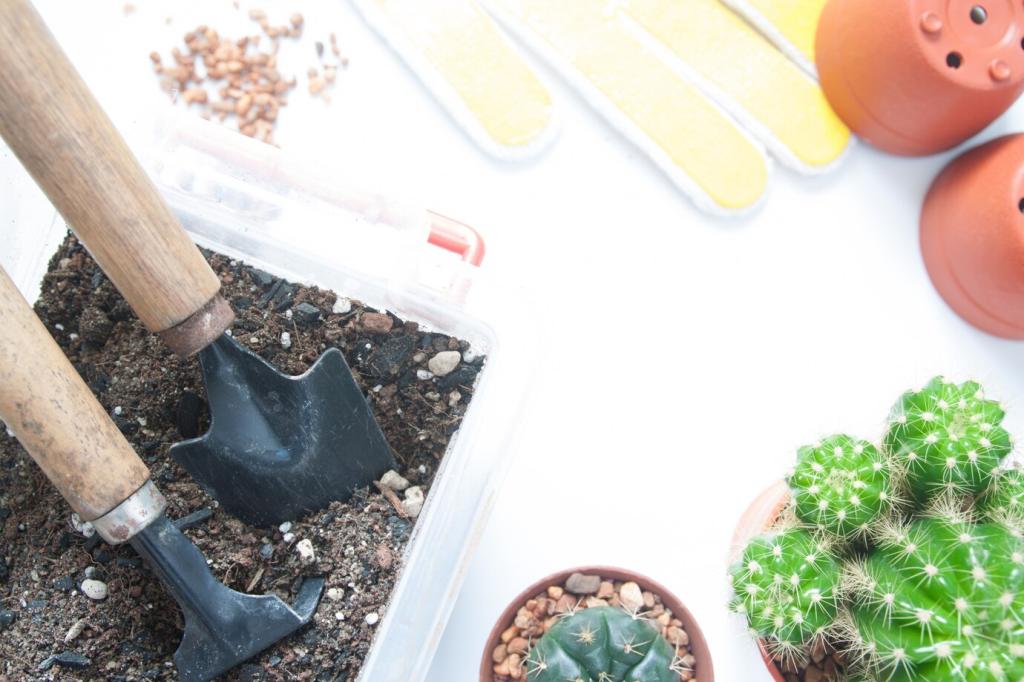
Your Month-by-Month Urban Garden Plan

Chosen theme: Month-by-Month Urban Garden Plan. From winter seed dreams to autumn harvests, this friendly roadmap helps city growers turn balconies, windowsills, and rooftops into thriving, beautiful ecosystems. Stay with us, share your progress, and subscribe for seasonal reminders tailored to tight spaces.

January–February: Map, Light, and Seed Dreams

Measure every ledge and railing, note sun hours, and feel for wind tunnels between buildings. My neighbor discovered a south-facing brick wall that stayed surprisingly warm, keeping parsley alive through February. Post a photo of your microclimates and ask the community for feedback.

January–February: Map, Light, and Seed Dreams

Choose compact varieties: dwarf tomatoes, bush beans, patio cucumbers, and cut-and-come-again lettuces. Add herbs you actually cook with, plus flowers like calendula for pollinators. Set calendar reminders for sowing windows. Comment your top three seeds for accountability and encouragement.


March: Start Seeds Like a Pro

Cool-season champions to kickstart your season

Sow kale, spinach, peas, chard, and spring onions. Use a sterile mix, gentle bottom heat, and strong light to prevent stretching. A small fan improves airflow and resilience. Sow a few extras as insurance, then share your first germination triumphs in the comments.

Label, schedule, succeed

Make a weekly sowing calendar and label everything—future you will cheer. Ten to fourteen days can make transplant traffic beautiful instead of chaotic. I missed my pepper window last year; never again. What schedule tools keep you honest? Tell us below.

Soil blocks versus cell trays

Soil blocks air-prune roots and reduce plastic; cell trays are tidy and stackable. Try both and compare transplant shock, watering ease, and space savings. Record notes in a garden journal. Vote in the thread: Which method fits your apartment workflow best?

April: Harden Off and Prepare Containers

Increase outdoor exposure gradually: start with one hour of shade, then add time and gentle sun. Avoid midday scorch and gusty corners. I once rushed basil and lost a tray overnight. Save our daily hardening checklist and share your pacing wins.

Transplanting in tight quarters

Plant tomatoes deeply to encourage strong roots; lay leggy stems sideways in a trench. Stagger heights to reduce shade and tie vines to twine or trellises. Pinch basil tops to bush out. Show us your balcony sketch for custom spacing advice.

DIY drip for renters

Use micro-drip lines and a battery timer attached to a balcony spigot, or try wicking reservoirs for pots. Saucers help but avoid constant sogginess. A weekend trip once ruined my tomatoes; a $20 timer saved the next. Share your weekday watering rhythm.

Companion planting, container edition

Pair basil with tomatoes, tuck marigolds near peppers, and trail nasturtiums to lure aphids away. Avoid fennel near most crops. Tall sunflowers can give gentle afternoon shade to greens. Comment your favorite duo and we’ll feature combos in a future update.

July–August: Heat, Harvest, and Pollinators

Drape 30–40% shade cloth during peak sun, shift pots to catch morning light, and mulch to hold moisture. My jalapeños stalled until I shaded the railing; then blossoms set fast. What’s your heat hack? Post a photo of your setup.

July–August: Heat, Harvest, and Pollinators

Apply a balanced organic liquid feed at label rates every one to two weeks. Keep soil evenly moist to reduce blossom end rot and cracking. Foliar sprays at dusk can help. Subscribe for our midseason checklist and share your favorite fertilizer routine.

This is the heading

Lorem ipsum dolor sit amet, consectetur adipiscing elit. Ut elit tellus, luctus nec ullamcorper mattis, pulvinar dapibus leo.

This is the heading

Lorem ipsum dolor sit amet, consectetur adipiscing elit. Ut elit tellus, luctus nec ullamcorper mattis, pulvinar dapibus leo.

Bateriemaruszak-hurt
Privacy Overview

This website uses cookies so that we can provide you with the best user experience possible. Cookie information is stored in your browser and performs functions such as recognising you when you return to our website and helping our team to understand which sections of the website you find most interesting and useful.